



Air Pollution from Road Transport Harms Our Children
Opublikowano: 22.05.2026

Research conducted by scientists from Jagiellonian University shows that air pollution can have a negative impact on children’s health and development.
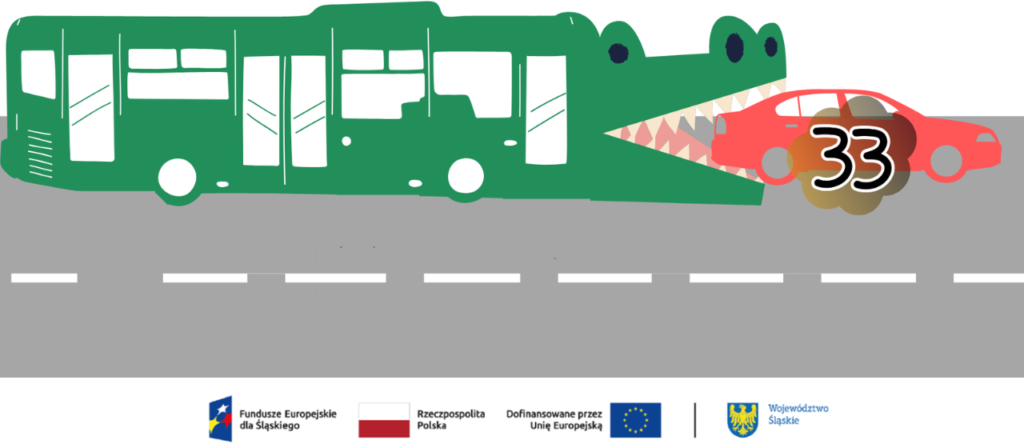
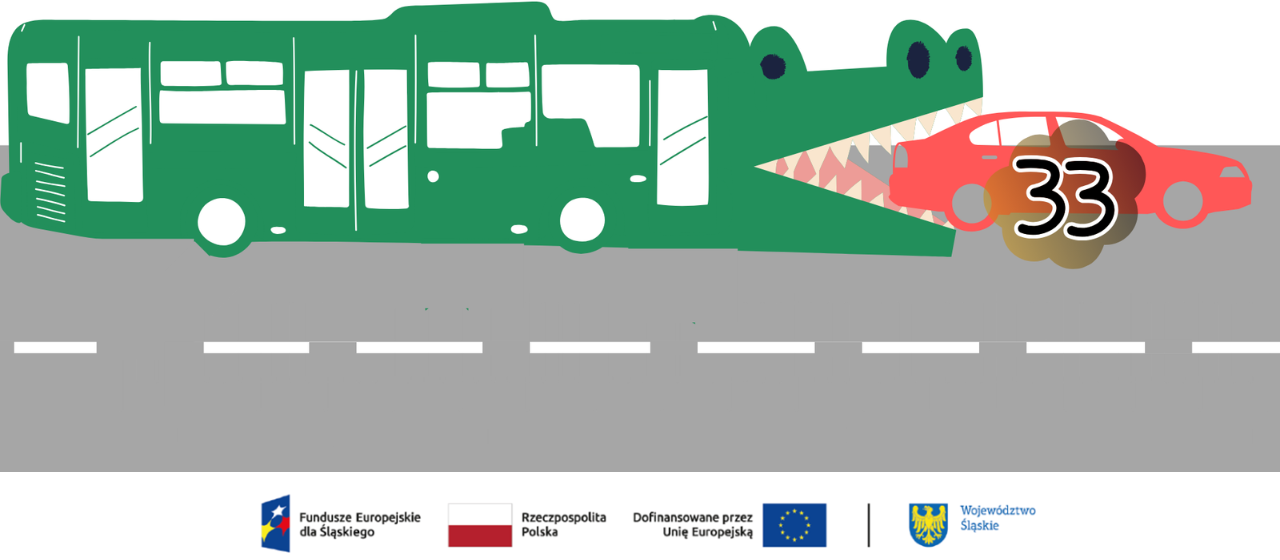
It is not only the burning of various fuels in household heating systems and so-called “low emissions” from domestic heating that affect children’s health. Particular attention should be paid to NO₂ (nitrogen dioxide) concentrations — a pollutant largely produced by internal combustion engines, including diesel engines.
Nitrogen dioxide (NO₂) is a gas whose concentration can be particularly high near roads with heavy traffic. Its level is influenced both by the intensity of traffic and by the amount of pollutants emitted by vehicles.
Air quality is particularly important in places such as areas around schools, kindergartens, residential buildings, and other locations where children spend time.
Children are particularly vulnerable to air pollution
Children are especially sensitive to pollutants because their immune systems and bodies are still developing. In addition, children breathe more intensely than adults and may therefore inhale larger amounts of pollutants relative to their body weight.
Air pollution may be associated with health and developmental problems in children, including:
- asthma and other respiratory diseases,
- difficulties with concentration,
- learning problems,
- negative effects on cognitive development.
Research also indicates possible links between prenatal exposure to certain pollutants, including benzene, and the risk of developing certain diseases in children.
Caring for clean air means caring for the health of our children.
Reducing car traffic and developing public transport, pedestrian and cycling infrastructure are steps that can help create a cleaner and safer environment for the youngest members of our communities.